

From Protest to Development
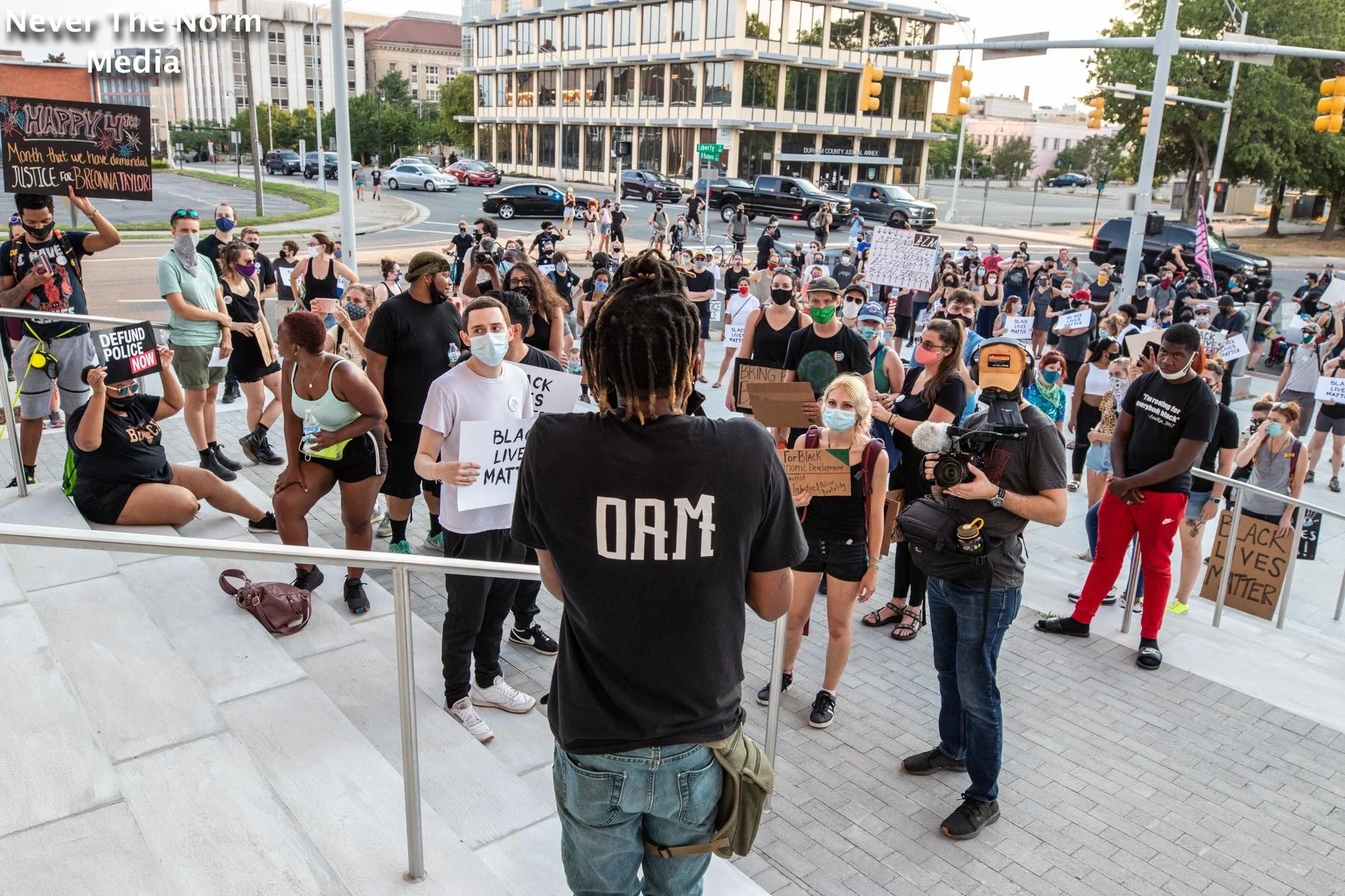
In 2020, after leading a summer’s long push for food and housing justice during the pandemic, Skip Gibbs decided that the greatest form of protest was to CREATE the world you want to live in.
like Durham’s founding fathers, he believed that agency was in the hands of those who CREATE IT. After realizing that the city was left flat footed during the pandemic and the common man paid the price, Skip began working with a local professor to secure land and take matters into his own hands. after selling his home and business interests, he left the entrepreneur world for the woods. his dream: Build a pocket community that was an template for food and housing security.
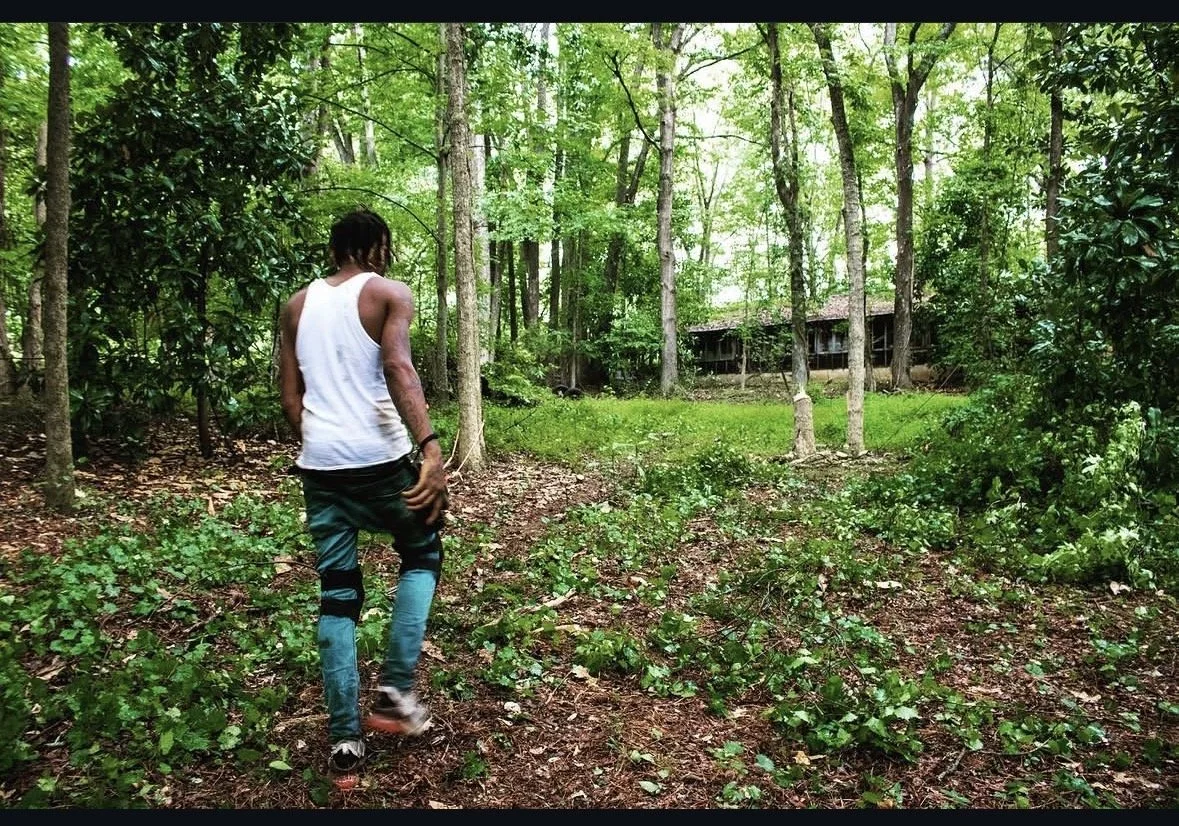
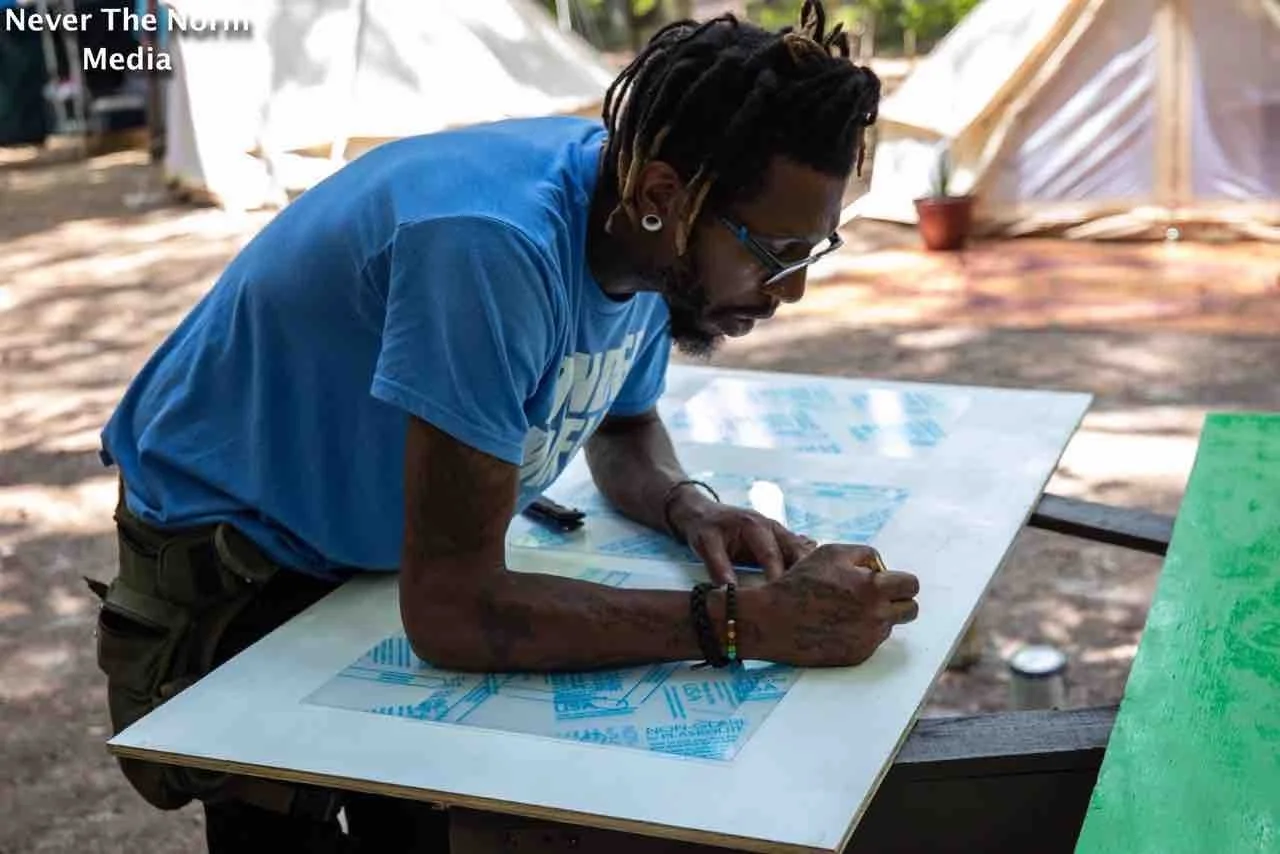
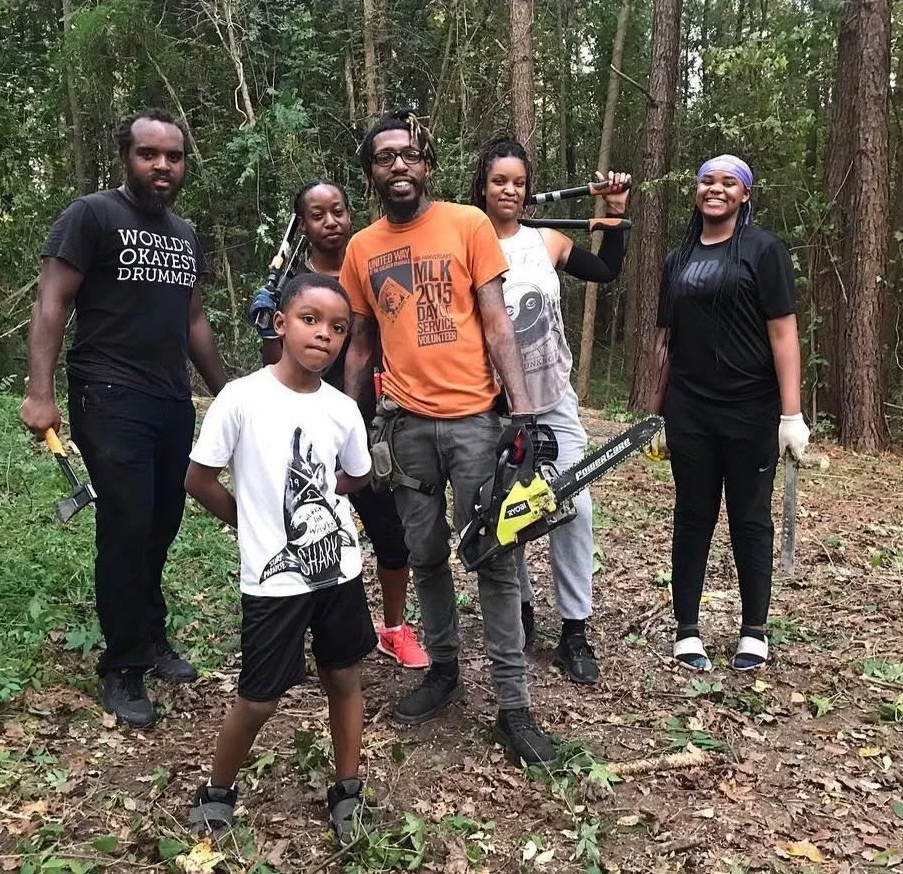
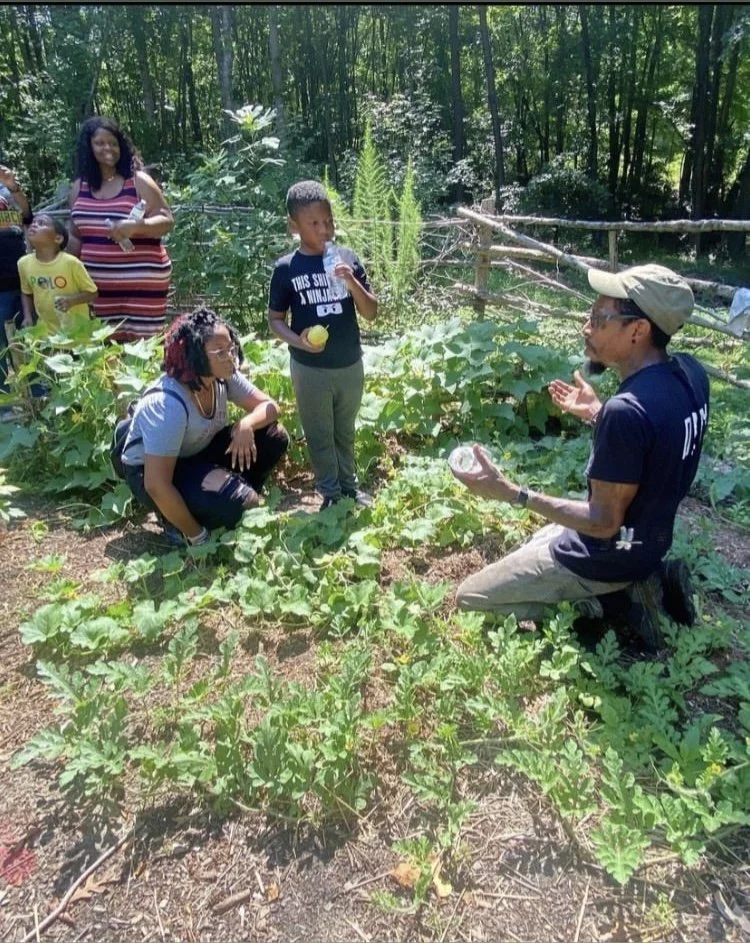
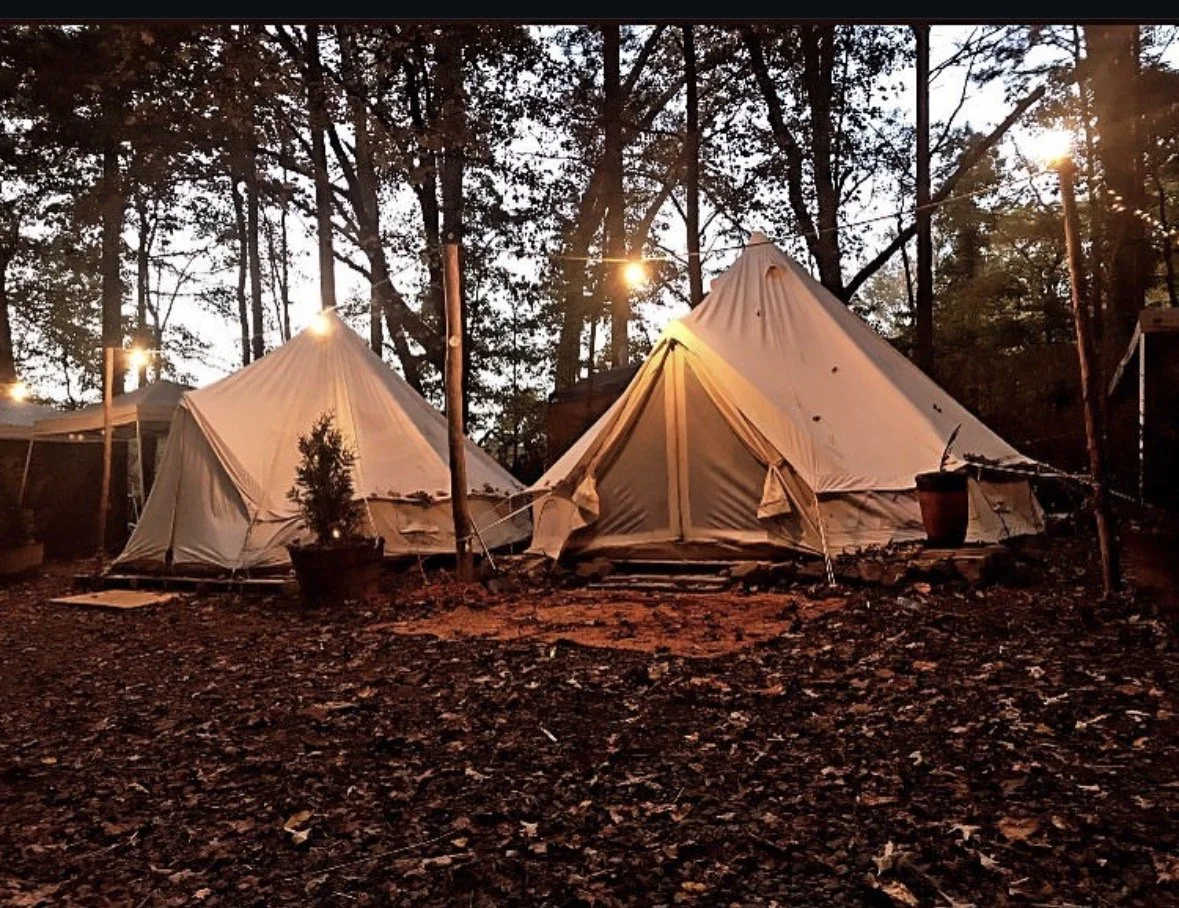
His dedication was evident from the beginning: trading the comfort of his home spending the early months of the journey living in a tent to save money for tools and development, pulling together a band of dedicated volunteers to help turn raw historic farmland into a living classroom and homestead while he embark on his journey to learn all things development.
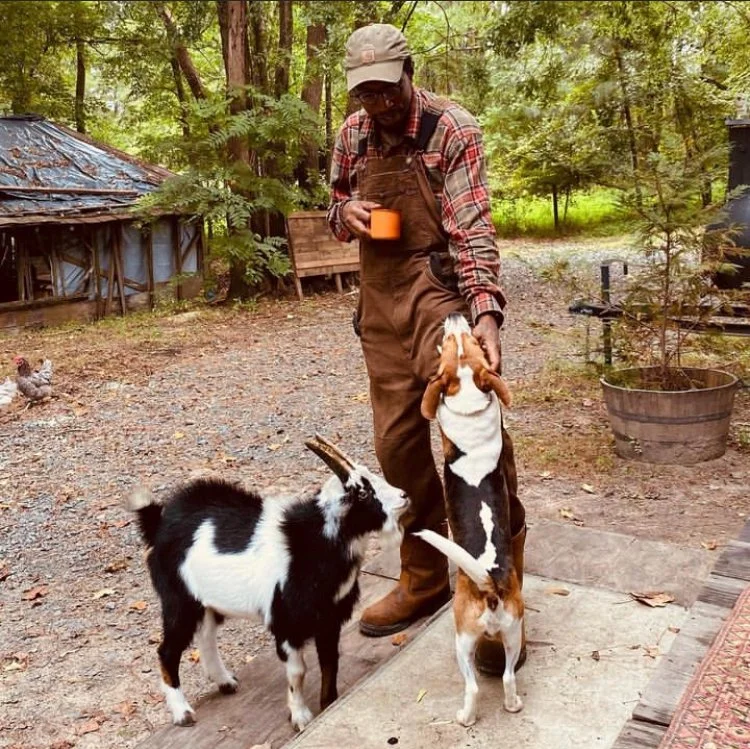
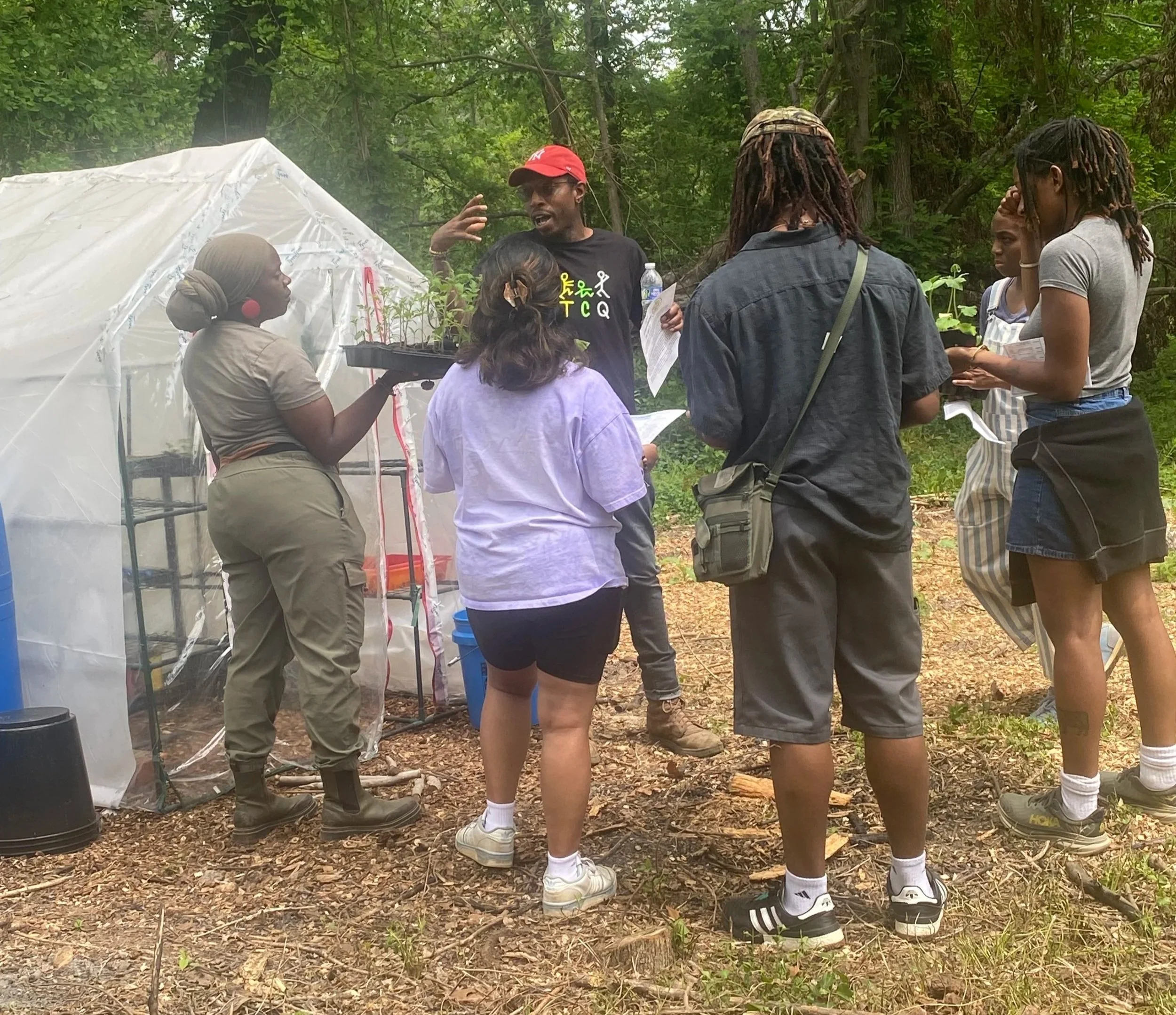
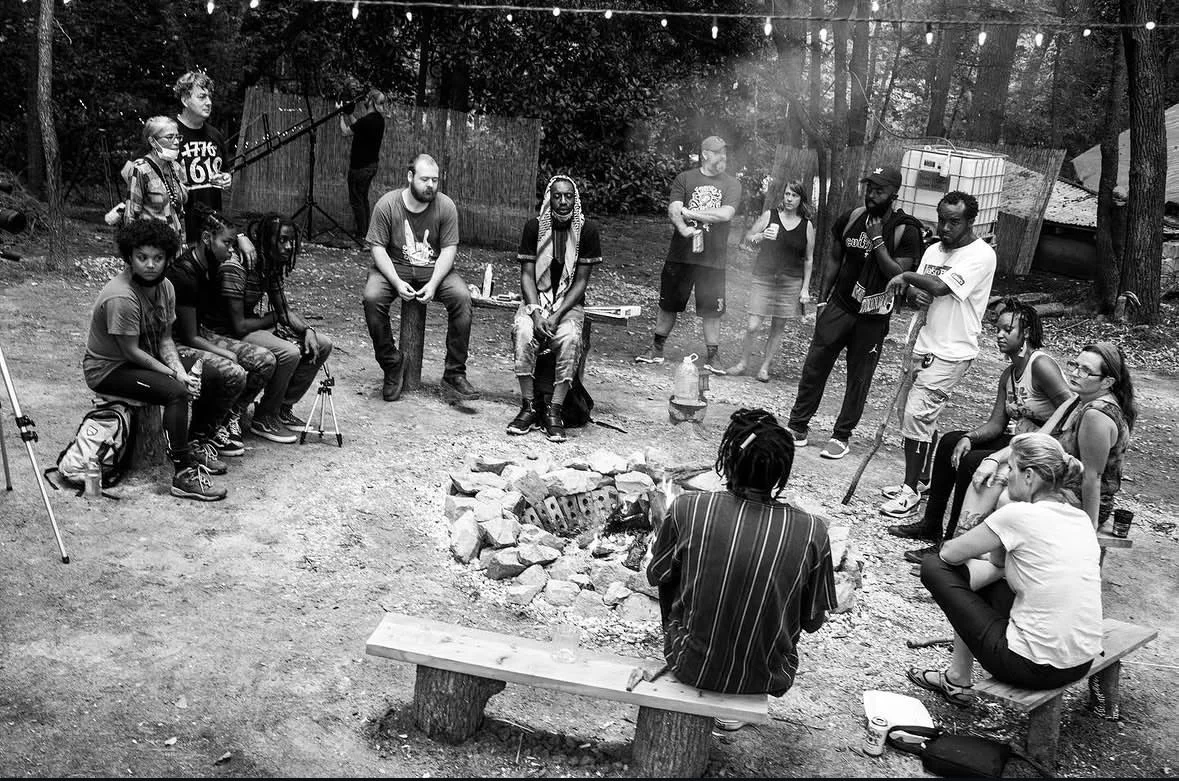
For five years, he ran a 3.5-acre homestead in Durham County—part farm, part classroom, part proof of concept. Families grew their own food. Neighbors learned regenerative agriculture. The land became what land is supposed to be: common ground where economic barriers don't follow you through the gate.
But Gibbs kept noticing the same problem. Families would show up, learn to grow food, build skills, build community—then lose their housing and scatter. You can't eat your way out of displacement. Food justice without housing justice is just a nicer waiting room.
So he learned a new language. Covenants. Zoning law. Lender negotiations. The slow, unglamorous machinery of how land actually gets held and developed. The same instincts that worked in the garden—patience, stewardship, thinking in generations—turned out to work for housing too.
The homestead didn't end. It evolved. What started as a place to grow collards became the foundation for a Community Land Trust where families can build wealth without the constant threat of being priced out.
Gibbs didn't abandon the soil. He just expanded what cultivation means. The land is still about growing things. Now it's also about keeping people rooted in place long enough to harvest what they've built.
It’s a Wholistic Approach to Community;
Truly A HOMESTEAD FOR ALL.
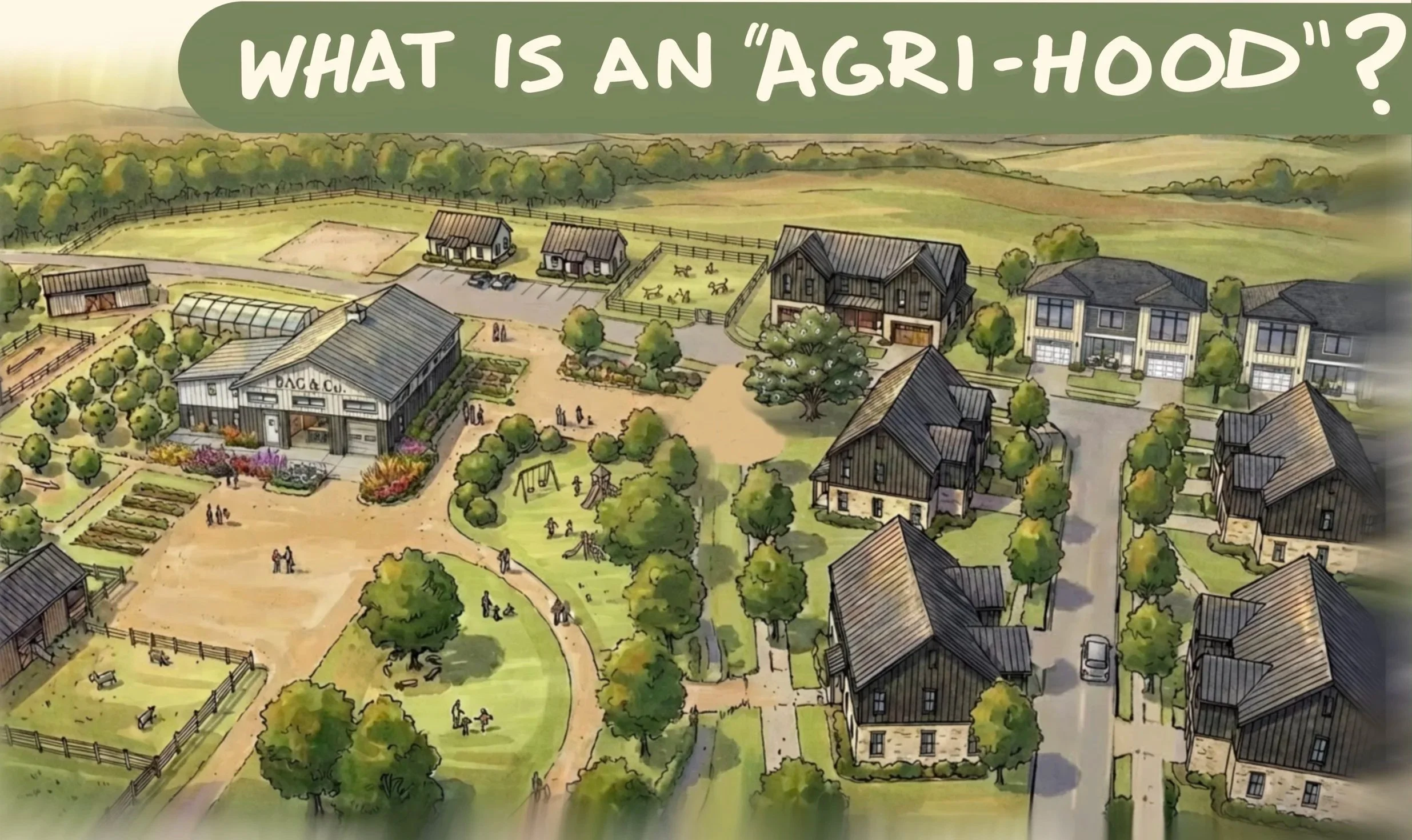
Imagine a neighborhood where fresh food security is woven into the very fabric of daily life. This is the essence of an agrihood: a residential community intentionally designed around a working farm or agricultural space, shifting the focus from amenities like golf courses to a direct connection with the land and sustainable living. These communities prioritize health, wellness, and environmental stewardship, blending the charm of rural life with modern convenience, allowing people to live whole, fulfilling lives.
Farmside at Brightwood is a comprehensive approach to community food sovereignty, local job creation, and innovative economic models. The community structure is designed so it's easy to get in where you fit in, offering a place and purpose for everyone.
Community Food Sovereignty
Farmside integrates a working farm and fosters food sovereignty by placing residents in control of their food sources through a co-op farm share model. Residents are not just consumers; they are stakeholders. They gain reliable, local access to nutritious, seasonal produce through programs like community-supported agriculture (CSA), on-site markets, and personal garden plots. This model shortens the food supply chain, reduces the carbon footprint, and builds a resilient system for the community.
Broad Economic Impact and Shared Equity
The agrihood model provides benefits to stakeholders and surrounding communities by generating jobs and supporting a strong local economy. The initiative connects modern living with the "real skills our forefathers had", emphasizing hands-on learning and practical agricultural expertise.
Farmside takes this a step further: residents earn equity in their homes while also sharing in the economic productivity of the farm through the co-op structure. As the farm prospers, residents benefit financially, aligning personal prosperity with the community's success.
A Proven Model
This approach is validated by existing communities, such as the award-winning Olivette Riverside Community & Farm in Asheville, North Carolina. Olivette features a four-season organic farm where residents can purchase shares and actively participate in farm activities, demonstrating how integrated agriculture fosters a strong sense of community and connection to the land in a successful, real-world application.
Job creation extends beyond just tilling the soil to a variety of related industries, ensuring a role for diverse skill sets:
Farming and Animal Care: On-farm roles for managers, crop workers, and specialists in animal care and husbandry.
Logistics and Transport: Personnel to move produce efficiently from the farm to on-site markets and local vendors.
Marketing and Sales: Professionals needed for marketing and managing sales channels.
Packaging and Manufacturing: Jobs in grading, sorting, packaging, and small-scale manufacturing or distillation of farm-sourced items.
This holistic approach keeps food dollars within the community, helps individuals learn valuable skills in sustainable agriculture, and fosters a culture of self-reliance, responsibility and shared prosperity FOR ALL.